
01
Models run on machines
Training and using AI requires specialized computers operating in data centers.

A practical AI literacy course
Learn what generative AI is actually doing, where its answers can fail, and how to make better decisions before you trust, use, or share an output.
Before the output
A useful way to understand AI is to look past the chat box and notice the physical systems that make each response possible.
Training and using AI requires specialized computers operating in data centers.
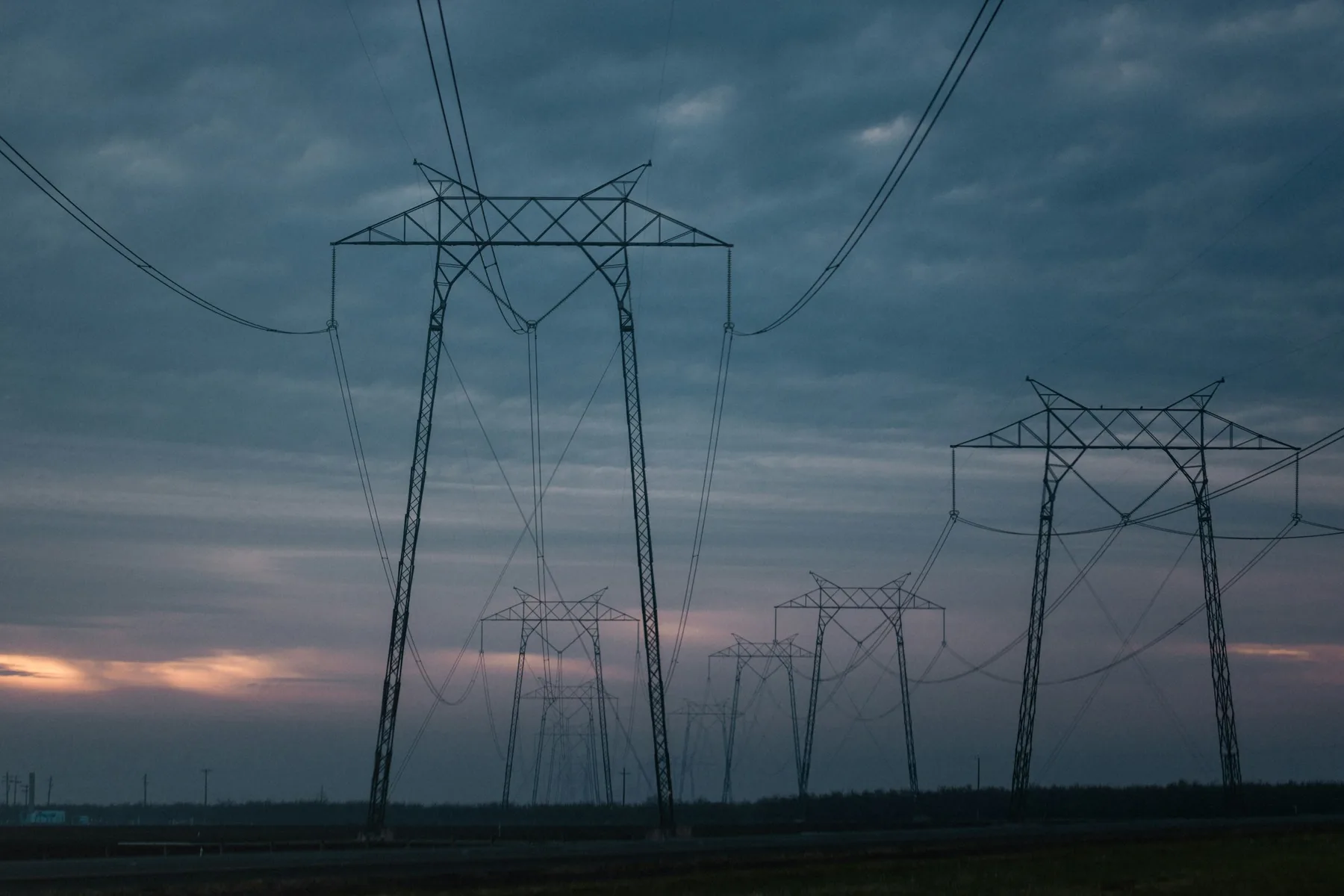
The environmental impact depends partly on how that electricity is produced and how efficiently it is used.

Cooling, construction, and local infrastructure connect digital choices to real communities.
Lesson 1 · How it works
A generative AI system creates a response by predicting likely pieces of text, images, or sound from patterns in its training data. It can produce a fluent answer without understanding the world the way a person does.
Your words provide instructions and context.
The model uses statistical relationships learned from data.
The output is assembled one likely piece at a time.
A person still has to check truth, context, and consequences.
Confidence is a writing style, not evidence. A polished answer can still be false, incomplete, biased, or invented.
Lesson 2 · Warning signs
These clues do not automatically make an answer wrong. They mean the answer needs stronger verification before you rely on it.
The answer names a study, quote, court case, or article but gives no working path to the original.
Precise dates, statistics, names, and quotations can be fabricated. Specificity is not the same as accuracy.
The response treats a contested question as settled or leaves out the people most affected by the decision.
Health, legal, financial, safety, and crisis advice needs qualified human judgment and current authoritative sources.
Lesson 3 · A repeatable method
Run through these five questions whenever an AI output could affect your work, your choices, or another person.
How serious would it be if this answer were wrong? The higher the stakes, the more verification you need.
Can you trace the important claims to reliable, current, original evidence outside the AI response?
Have you removed private, identifying, confidential, or copyrighted material that you do not have permission to share?
Whose perspective, context, or lived experience might the answer overlook? Who could be harmed?
Are you prepared to own the final choice, rewrite the work in your voice, and disclose AI use when required?
Lesson 4 · Match effort to risk
Low stakes
Medium stakes
High stakes
Practice · Choose your response
Select an answer and get immediate feedback. You can change your choice and try again.
Scenario 1
Scenario 2
Scenario 3
Take it with you
The HUMAN check will not answer every ethical question. It gives you a reliable place to begin before an AI output becomes a human consequence.